Tag: speaking Thai

Do you know the differences between ครู /kroo/ and อาจารย์ /aa-jaan/?

Do you know the differences between ครู /kroo/ and อาจารย์ /aa-jaan/?

If you are looking for a free Thai lessons online, you will hear teachers call themselves ‘ครู’ /kroo/

ครู /kroo/ is originally from a Pali ครุ /kru/ or Sanskrit คุรุ /kuru/. It means heavy; someone with respectful behaviors and a teacher.

Normally people use it to call teachers in kindergartens and schools. It can be a noun and a pronoun. That means students will call their teacher ‘ครู’ /kroo/. It’s pretty common to hear teachers call themselves ‘ครู’ /kroo/ when they talk with their students, too.

What’s about อาจารย์ /aa-jaan/?

Do you know ‘www.ajarn.com’? It is a famous job-listing website for foreign teachers in Thailand. I think that you can guess by now how the word ‘อาจารย์’ /aa-jaan/ relates to teaching job.

อาจารย์ /aa-jaan/ is from Sanskrit meaning a role model; a teacher and an instructor.

Normally, we use this word to call lecturers or professors in colleges and universities. We also use it to address someone as a master of any kinds of knowledge although that person might not teach for a living.

I hope that you enjoy learning Thai with your present ‘ครู’ /kroo/ or ‘อาจารย์’ /aa-jaan/. J

P.S. Since there is no official, mandatory standard of Thai Romanization, not like Pinyin for Mandarin. That’s why, you might see various ways of romanizations. Some very academic schools might prefer to use phonetic symbols. Other schools prefer different romanizations. I also prefer to use the romanization but my version might not be exactly the same as any others.

Anyway, if you are certain that you will live here and you prefer to blend in the society or at least understand them from the eyes of local people, learning the language is the first door for you. Being able to read Thai is also very important in order to improve your comprehension in language and culture in a long run.

I wish you luck! LOL

Do you know any Thai expressions about noodles?

Do you know any Thai expressions about noodles?

Recently we talked about the origin of ก๋วยเตี๋ยว /gŭay-dtiăw/. If you remember, rice noodles vary in size mainly. The biggest ones are called เส้นใหญ่ /sên-yài/.

  1. ขอเส้นใหญ่ น้ำใส หมู /kŏr sên-yài nám-săi mŏo/
  2. ผู้ชายคนนั้นเส้นใหญ่มาก /pôo-chaay kon nán sên-yài mâag/

Can you guess the meaning of both sentences? Number 1, it means ‘big noodles, clear soup, (with) pork’. Yes, it’s simply an order when you go to a noodle restaurant.

What’s about number 2? When we say that someone is a big noodle, we do not mean that someone becomes real noodles. No, it doesn’t make sense. So, what does it mean?

In Thai language, เส้น /sên/ can also refer to connections. That’s why, someone with very good connections is called เส้นใหญ่ /sên-yài/. Normally, this word is pretty negative. We regularly use it to explain how someone gets something such as a position or any kinds of advantages in an unusual way.

Do you like มาม่า /maa-mâa/?

mama

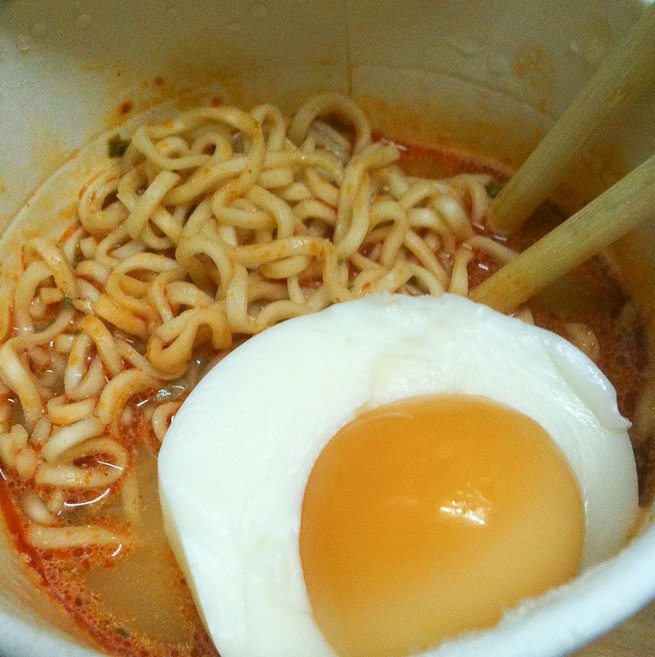
If you have been in Thailand long enough, it’s impossible not to know it. มาม่า /maa-mâa/ is everywhere in Thailand; in 7-11, big or small grocery shops, supermarkets, hypermarkets, even at home.

Yes, we are talking about instant noodles!!! Instant noodles are made from wheat flour. They are steamed before deep fried. Different from Instant noodles in other countries, here they are very crispy. You can even eat them dry without boiling in water.

Actually, มาม่า /maa-mâa/ is one brand. Because of its popularity, everyone calls all instant noodles casually ‘มาม่า’ /maa-mâa/.

Thais pick up a word ดราม่า /dra-mâa/ from ‘dramatic’ in English. When someone is over-dramatic, we will call him/her ‘ดราม่า’ /dra-mâa/

Nowadays some people overreact in online public spaces such as forums, pages, etc. So, it’s not that hard to see them argue with each other if they disagree.

Since ดราม่า /dra-mâa/ and มาม่า /maa-mâa/ sound similar, Thai people use มาม่า /maa-mâa/ to describe a feeling that quarrel will begin soon because of the drama.

You might notice an expression ‘ต้มมาม่ารอ’ /dtôm maa-mâa ror/ when they are waiting to see people dispute against each other due to their over-dramatic comments.

Today we talk about two different kinds of noodles and two expressions in Thai language. I hope that you enjoy having noodles like me and will not กินมาม่า /gin maa-mâa/ with anyone soon. LOL

Bon appetit!


Thai proverb: หนีเสือปะจระเข้ /něe seŭa bpà jor-rá-kê/

Thai proverb: หนีเสือปะจระเข้ /něe seŭa bpà jor-rá-kê/

This is an ancient Thai proverb. Can you guess what it means? If not, I can give you some clues. Let’s see the meaning of each word in this proverb.

หนี /něe/ (v.) = escape; avoid; flee

  • หนู วิ่ง หนี แมว /nŏo wîng nĕe maew/
  • A rat ran away from a cat.

เสือ /seŭa/ (n.) = tiger

Please note that เสือ /seŭa/ is a rising tone but เสื้อ /seûa/, meaning upper-body clothes such as shirt, blouse, etc. is a fallowing tone.

  • เธอ ใส่ เสื้อ ลายเสือ /ter sài seûa laay seŭa/
  • She is wearing a tiger stripe blouse.

ปะ /bpà/ (v.) = meet; run into; come across (very rarely used nowadays)

จระเข้ /jor-rá-kê/ (n.) = crocodile

In a spoken language, people might say “ตะเข้” /dtà-kê/ instead of “จระเข้” /jor-rá-kê/. Sometimes they might even cut everything and keep only the last syllable “เข้” /kê/

  • จระเข้ ชอบ กิน ไก่ /jor-rá-kê chôr gin gài/
  • Crocodiles like eating chicken.

I believe that you have an idea what this phrase imply by now. Yes, this proverb describes someone who moves from a bad or difficult situation (a tiger) to one that is worse (a crocodile). It’s similar to “(jump) out of the frying pan into the fire” in English.

I don’t know why but one of my students really likes this saying even he couldn’t remember other new slangs. Although it’s nice to know some Thai expressions, I hope that you will not have to use this one soon. LOL

โชคดีค่ะ J

Good Luck!

Do you know how many meanings of ใจ /jai/ in Thai?

Do you know how many meanings of ใจ /jai/ in Thai?

If you are studying Thai, you might notice that there are so many compound words consisted of ใจ /jai/.

When you say only ใจ /jai/, it means a heart.

For example:

เขาใจเต้นแรงเมื่อพูดต่อหน้าคนมากๆ /káo jai dtên raeng meûa pôod dtòr nâa kon mâag-mâag/ His heart is pounding when speaking in public.

We also use ใจ /jai/ to explain characteristics of people such as

– ใจดี /jai-dee/ = kind, nice

– ใจร้าย /jai-ráay/ = mean, unkind

– ใจดำ /jai-dam/ = pitiless, heartless

– ใจเย็น /jai-yen/ = temperate, calm

– ใจร้อน /jai-rórn/ = hot-tempered

– ใจแข็ง /jai-kăeng/ = adamant

– ใจอ่อน /jai-òrn/ = easy to change one’s mind (≠ adamant)

– ใจกว้าง /jai-gwâang/ = generous

– ใจแคบ /jai-kâeb/ = narrow minded

For example:

เธอเป็นคนใจเย็น /ter bpen kon jai-yen/ She is a calm person.

แม่เลี้ยงของซินเดอเรล่าใจร้ายมาก  /mâe-liáng kŏrng Cinderella jai-ráay mâag/ Cinderella’s step mother was very mean.

What’s more, we use ใจ /jai/ to narrate a negative feeling when someone faces a bad situation.

– ใจหาย /jai-hăay/ = shocked, stunned with fear

– ใจไม่ดี /jai-mâi-dee/ = alarmed, anxious

– ใจเสีย /jai-săi/ = frightened, disheartened

For example:

เขาใจเสียเมื่อรู้ว่าแม่ป่วย /káo jai-săi meâu róo wâa mâe bpùay/ He was frightened when he knew that his mother was sick.

เธอใจหายเพราะหากระเป๋าเงินไม่เจอ /ter jai-hăay prór hăa grà-bpăo ngern mâi jer/ She is shocked because she can’t find her wallet.

If something/someone causes or makes you feel in one way or another, you might hear words with ใจ /jai/ again.

– ดีใจ /dee-jai/ = glad

– เสียใจ /săi-jai/ = sad

– แน่ใจ /nâe-jai/ = sure

– มั่นใจ /mân-jai/ = certain, confident

– สบายใจ /sà-baay-jai/ = content, relexed

– หนักใจ /nàg-jai/ = worried

– พอใจ /por-jai/ = satisfied

– กลุ้มใจ /glum-jai/ = depressed

– โล่งใจ /lôeng-jai/ = relieved

– แปลกใจ /bpâeg-jai/ = surprised

– ตกใจ /dtôg-jai/ = scared, shocked

For example:

เธอแปลกใจที่เจอเขาที่กรุงเทพ /ter bpâeg-jai têe jer káo têe krùng-têb/ She was surprised to see him in Bangkok.

เขาแน่ใจว่าวันนี้ฝนจะตก /káo nâe-jai wâa wan-née fŏn jà dtòg/ He is sure that it’ll rain today.

With all these examples, you might think that “ใจ” /jai/ words are always adjectives. Actually, some verbs are composed of ใจ /jai/ too.

– เข้าใจ /kâo-jai/ = understand

– หายใจ /hăay-jai/ = breath

– ตั้งใจ /dtâng-jai/ = try hard; plan

– ตัดสินใจ /dtàd-sĭn-jai/ = decide, make up one’s mind

– เปลี่ยนใจ /bpliàn-jai/ = change one’s mind

– ไว้ใจ /wái-jai/ = trust

For example:

ฉันไว้ใจคุณ /chán wái-jai kun/ I trust you.

เธอไม่เข้าใจ /ter mâi kâo-jai/ She doesn’t understand.

These are some examples of words with ใจ /jai/. Do you know more?